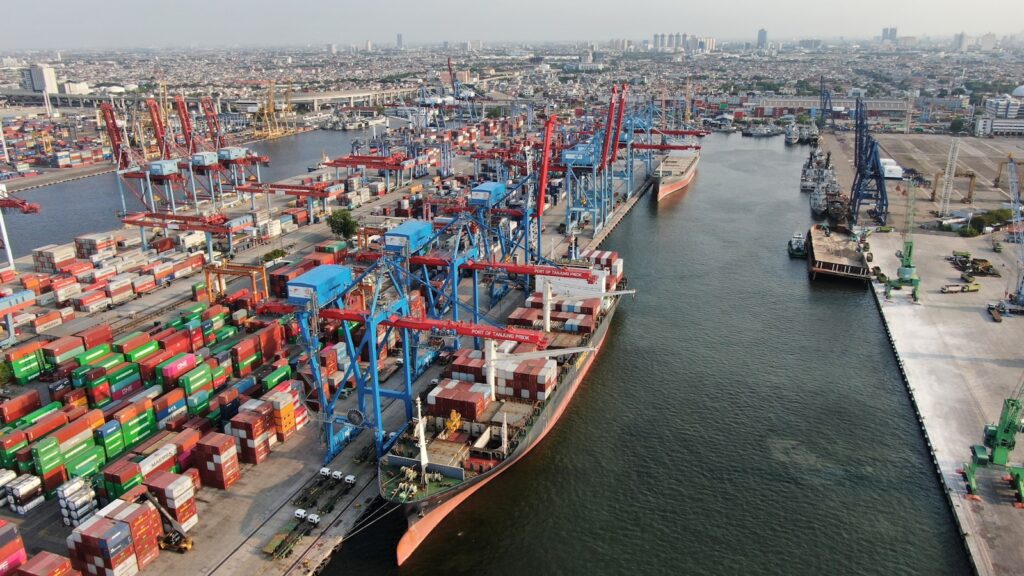
If the Ecuador-Canada trade agreement has you looking at Ecuador as a source for the first time, the tariff news is only half the picture. Here’s the practical side: what sourcing shrimp or cacao from Ecuador actually involves, for a buyer who’s never done it before.
Why Ecuador, beyond the tariff news
Ecuador is the world’s largest exporter of farmed shrimp and among the top producers of fine flavor cacao globally. That existed before this trade agreement — the agreement removes a cost barrier that made Ecuador less competitive against Colombia and Peru specifically for the Canadian market, not a reason to source from Ecuador that didn’t exist before.
What to expect, at a high level
Sourcing from a new country doesn’t need to feel like a leap into the unknown. In broad strokes, the process runs: initial inquiry, sample evaluation before any commitment, written specification and quote, certification verification for your specific lot, order and volume consolidation, pre-shipment quality control, then shipment under your agreed Incoterms. We’ve laid out the full process step by step here — worth reading in detail before your first order, not after.
Questions worth asking any Ecuadorian supplier before you commit
- Can I get a sample before placing an order? A supplier unwilling to send samples first is a red flag, not a normal part of doing business.
- What certifications apply to this specific lot, not just the company generally? AGROCALIDAD phytosanitary certification should be lot-specific, not a generic company-wide document.
- How is volume consolidated? Very few individual farms hit a full container’s worth of product alone — understanding whether you’re buying from one farm or a consolidated group affects both consistency and traceability.
- What Incoterms do they work under, and is that negotiable? FOB Guayaquil is standard for most Ecuadorian exporters — confirm whether CFR or CIF is available if that’s what your logistics setup requires.
What the trade agreement changes about this process
Practically, nothing about the sourcing process itself changes because of the trade agreement — what changes is the landed cost once the preferential tariff applies. The due diligence steps above matter exactly as much as they did before the agreement, possibly more, since a wave of new Canadian interest in Ecuadorian sourcing following this news means more buyers evaluating suppliers for the first time without established relationships to fall back on.
Getting started
KATUNA Trade sources shrimp and cacao directly from verified Ecuadorian producers. If you’re evaluating Ecuador as a source for the Canadian market, our process page covers exactly what to expect, or you can reach out directly with your product interest and target volume.