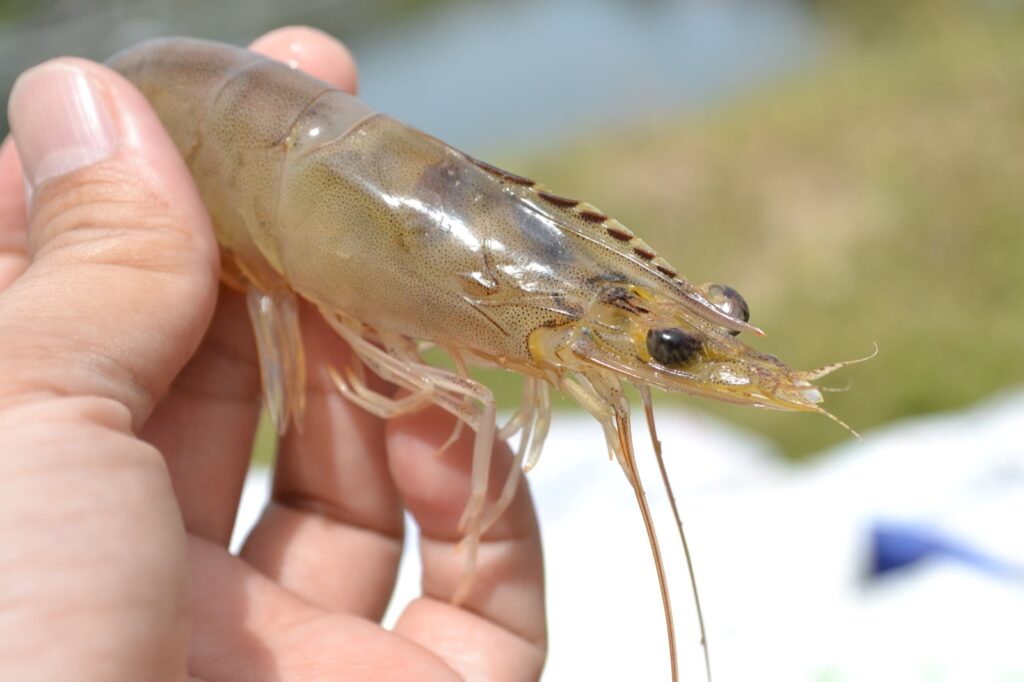
Japan imports more shrimp than any market except the US and China — and pays more for quality than either. In 2026 Ecuador’s Cámara Nacional de Acuacultura (CNA) formally declared Japan a priority export destination, setting the stage for what could become the sector’s most valuable diversification play. Here is what building that relationship actually requires.
Why Japan, and why now
The strategic logic is straightforward. China currently absorbs about half of Ecuador’s shrimp export value, and recent friction over inspection methodology has made the risk of that concentration impossible to ignore. Japan offers the opposite profile: a demanding, stable, premium-paying market where quality — not price — wins programs. Ecuador’s record production volumes give it the supply depth to serve Japanese buyers without shorting existing customers.
The regulatory gateway: MHLW
Japan’s food import system runs through the Ministry of Health, Labour and Welfare (MHLW). Every consignment requires an import notification filed with the quarantine station at the port of entry, backed by a health certificate from Ecuador’s competent authority. MHLW operates a monitoring and enhanced-inspection regime: clean history earns lighter inspection rates, while violations trigger 100% testing orders — a structure that rewards exactly the documented consistency serious Ecuadorian exporters already practice.
The sulfite difference buyers must understand
One technical point matters more than any other: Japan measures sulfite residues in the whole product — not only the edible portion as the EU and US do. That makes the effective Japanese standard stricter, and it means dipping protocols tuned for Western limits need recalibration for Japanese programs: lower concentration baths, tighter contact times, and lot-level testing against the whole-product measurement. Exporters who learned from the China methodology dispute are already adapting.
What Japanese buyers specify
- Sushi-grade whole shrimp and head-on presentations for the gastronomy segment.
- Shell-on formats with impeccable appearance — melanosis tolerance near zero.
- High-grade peeled product for retail and food service, with strict uniformity.
- Japanese labeling compliance: allergen declaration (sulfites included), additive listing and origin marking under Japanese food labeling law.
Trade framework: no FTA yet, but momentum
Ecuador and Japan do not yet have a free trade agreement, so shrimp enters under standard tariffs — a cost disadvantage against some Asian suppliers that quality positioning must overcome. Negotiations toward closer trade ties are active, and the CNA’s priority-market designation signals the industry intends to be positioned before any agreement lands, not after.
How KATUNA Trade facilitates Japan entry
KATUNA Trade prepares Ecuadorian suppliers for Japanese requirements — whole-product residue testing, MHLW notification documentation, labeling review — and connects them with importers in Tokyo and Osaka. Our market development service handles the introduction, sampling and specification alignment; our export coordination handles the container.
Exploring the Japanese market — as buyer or supplier? Talk to KATUNA Trade about Japan market entry.