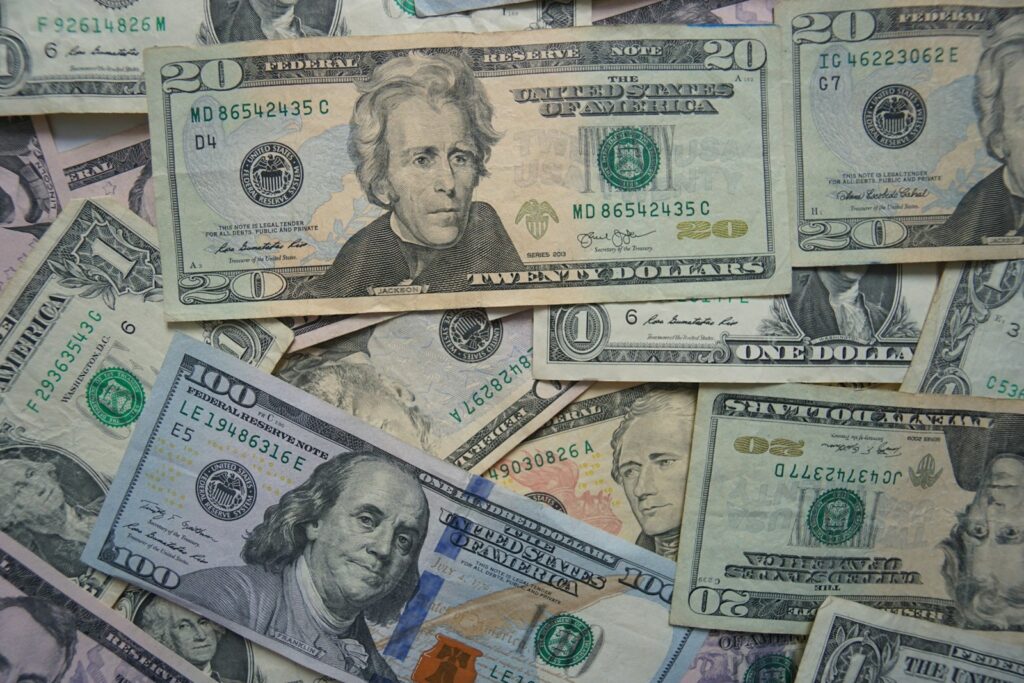
Every other article in this series has been about a specific trade agreement or a specific competitive comparison. This one is about something quieter, that applies to every buyer sourcing from Ecuador regardless of destination market — and that most buyers evaluating Latin American suppliers don’t think to ask about until it becomes a problem elsewhere.
The basic fact
Ecuador has used the US dollar as its official currency since January 2000, adopted after a severe financial and banking crisis made the previous currency, the sucre, effectively unmanageable. Unlike most of its neighbors, Ecuador doesn’t have its own floating national currency for import/export pricing to move against.
Why this matters more than it sounds
Sourcing from a country with its own volatile local currency introduces a variable most buyers don’t fully price in until it costs them: exchange rate risk between the time a quote is issued and the time payment settles. A quote from a supplier in a country with a fast-depreciating or volatile currency can mean the supplier either builds in a large safety margin (raising your price) or absorbs the risk themselves (creating pressure to renegotiate later if the currency moves sharply).
With Ecuador, that variable is largely removed. A quote in US dollars from an Ecuadorian exporter is a quote in the same currency your business likely already operates in or benchmarks against — not a conversion exposed to a separate country’s monetary policy or currency crisis.
What this doesn’t mean
Dollarization doesn’t eliminate all financial risk in cross-border trade — logistics costs, tariffs, and general market conditions still apply regardless of currency. It specifically removes one variable: the risk that the price you agreed on in a quote is worth meaningfully less (or costs your supplier meaningfully more to honor) by the time the shipment actually settles.
Why this is easy to overlook
Most sourcing conversations focus on product quality, certification, and price — currency stability rarely comes up explicitly because buyers sourcing from dollar-pegged or dollar-denominated trade relationships elsewhere don’t think to ask. It becomes relevant specifically when comparing Ecuador against origins with genuinely volatile local currencies, where the comparison isn’t just product-to-product — it’s risk profile to risk profile.
What this means alongside the Canada agreement
Combined with the tariff access opening up through the new Ecuador-Canada trade agreement, Ecuador’s currency stability is one more factor worth weighing directly against alternative origins — not a headline reason to source from Ecuador on its own, but a real, structural difference that doesn’t show up in a spec sheet or a certification document.
Sourcing from a stable, USD-denominated origin
KATUNA Trade quotes and invoices in US dollars, sourcing shrimp, cacao, and banana directly from verified Ecuadorian producers. See how our sourcing process works or reach out directly to discuss your specifications.