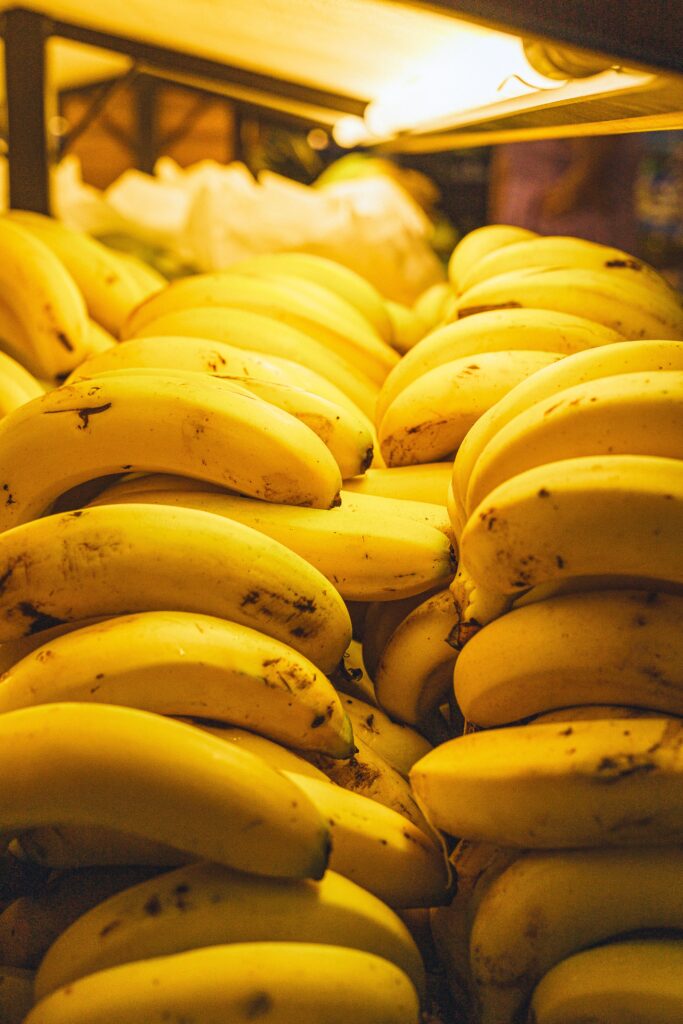
It’s an uncomfortable fact for any exporter to put in writing, but it’s real and it’s public: legitimate banana shipments have been used by traffickers to conceal narcotics moving from Latin America to Europe. Ecuador’s banana industry hasn’t tried to hide from this — it’s actively arguing for a different way of framing where responsibility sits.
What actually happened
In October 2025, Ecuador’s banana export association (AEBE) publicly stated that the European Union shares responsibility for combating drug trafficking through banana containers — not as a way of deflecting blame, but as an argument that container security is a shared supply-chain problem between origin and destination, not something Ecuadorian exporters can solve unilaterally. The statement came during an active period of industry engagement with European buyers and authorities, including Ecuador’s presence at Fruit Attraction Madrid and the Banana Time 2025 convention in Guayaquil, both in October 2025.
Why this isn’t just a talking point
Ecuador’s banana sector has put real money behind this position: the industry invests an estimated $100 million per year in security measures — including container scanning, farm-level access controls, and chain-of-custody protocols — specifically to reduce the risk of legitimate shipments being used to conceal illegal cargo. That’s not a rounding-error line item; it reflects that the industry treats this as an operational priority, not a reputational one to manage with a press statement.
Why the “shared responsibility” argument holds up
The logic here isn’t just self-serving. A shipping container that leaves an Ecuadorian port and crosses the Atlantic passes through multiple jurisdictions, multiple points of custody, and multiple opportunities for interdiction before it’s opened at a European port. Treating container security as solely an origin-country obligation ignores that trafficking organizations specifically exploit gaps at every point in that chain — including on the receiving end, where demand-side enforcement and port security matter just as much as what happens before the container is sealed in Ecuador.
What this means for buyers
If your company sources banana from Ecuador and ships into the EU, this isn’t background noise — it’s directly relevant to your own supply-chain due diligence. A buyer working with an exporter who can document security protocols, chain-of-custody records, and container-scanning practices is in a materially better position than one who can’t, both for their own risk management and for responding to customs or compliance questions on the receiving end.
How KATUNA approaches this
KATUNA works within the security protocols the Ecuadorian banana sector has built specifically in response to this risk — documented chain-of-custody practices as a standard part of the export process, not an add-on requested after a problem surfaces. If container security documentation matters for your own compliance requirements, it’s a reasonable question to ask any Ecuadorian exporter directly, and one KATUNA answers as routine practice.