On July 24, 2026, Ecuador and Canada signed a free trade agreement in Ottawa after more than two years of negotiation. If you buy shrimp or cacao from Ecuador, this isn’t distant trade policy — both sectors are named explicitly among those set to benefit. Here’s what the agreement actually says, what it doesn’t, and what it means in practical terms.
The core numbers
- 99.6% of Ecuador’s exportable goods would enter Canada duty-free once the agreement takes effect.
- Canada represents a market of roughly 40 million consumers, with one of the most stable G7 economies.
- The agreement includes 26 chapters — goods trade, rules of origin, customs procedures, investment, digital trade, gender, and Indigenous trade provisions, among others.
- The investment chapter includes an arbitration mechanism that respects Ecuador’s constitutional requirement that any arbitration seat be located in Latin America.
Shrimp and cacao, named directly
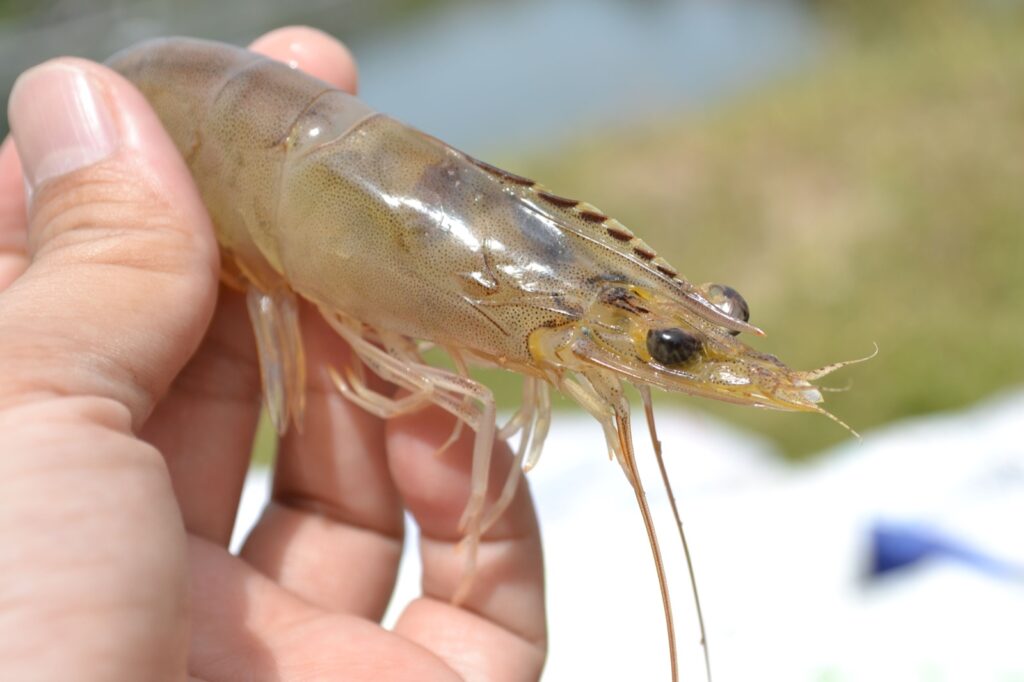
Official and press coverage of the agreement explicitly names shrimp and cacao among the sectors benefiting from preferential access — alongside flowers and frozen fruits and vegetables. For a buyer already sourcing either product from Ecuador, this isn’t a generic “more trade” headline — it’s a direct mention of the exact product categories in question.
The number most coverage underplays
Ecuador currently runs a trade deficit with Canada: between January and May 2026, Ecuador exported USD 171 million to Canada while importing USD 232.4 million from it, according to Ecuador’s Central Bank. Canada is currently only Ecuador’s 15th-largest export destination — well behind the US, the EU, and other regional markets.
That doesn’t undercut the agreement’s value, but it does calibrate expectations. A trade agreement opens preferential access; it doesn’t automatically create demand or commercial relationships where none existed. Building Canada into a meaningful destination for Ecuadorian shrimp and cacao is years of work, not an automatic result of a signature.
Why this levels the field more than it creates an advantage
One nuance worth understanding, and the same pattern we’ve already seen with Ecuador’s tariff agreement with the US this year: Colombia and Peru already had preferential access to Canada before this agreement. What the Ecuador-Canada deal accomplishes isn’t putting Ecuador ahead of those two countries — it closes the competitive gap that existed against them in this specific market.
What Ecuador kept protected
The agreement isn’t unrestricted across the board. Ecuador kept protections in place for sensitive domestic sectors: rice, corn, sugar, and beef, pork, and poultry. Canada, in turn, kept its own protections for dairy, poultry, and egg industries. That’s standard in any trade agreement of this scale — but it’s worth a buyer knowing the deal is a negotiated, sector-by-sector balance, not a blanket opening.
Signed is not the same as in force
July 24 was the signing date — not necessarily the date the agreement takes effect. As with most trade agreements at this scale, a ratification process typically follows before the preferential tariff is actually applicable. Any buyer planning Canada-bound orders on the assumption of this agreement should confirm current ratification status rather than treating the signing date as the effective date.
What this means for sourcing shrimp or cacao from Ecuador
A trade agreement doesn’t export anything on its own. It opens tariff access — but crossing that opening still requires what any new market requires: valid phytosanitary certification, consolidated volume, and a supplier who knows the market on the other end. We’re tracking the ratification process directly and evaluating what Canada could mean as an additional destination for our shrimp and cacao lines — without overselling a market that’s still being built.
Sources
This article is based on verified coverage from El Telégrafo, Primicias, La Prensa, Lexis, El Comercio, Infobae, and Centro TV Ecuador, all published between July 21-24, 2026, plus data from Ecuador’s Central Bank and the Ministry of Production, Foreign Trade and Investment.